
By James Milburn, Managing Principal — MILBURN Demolition
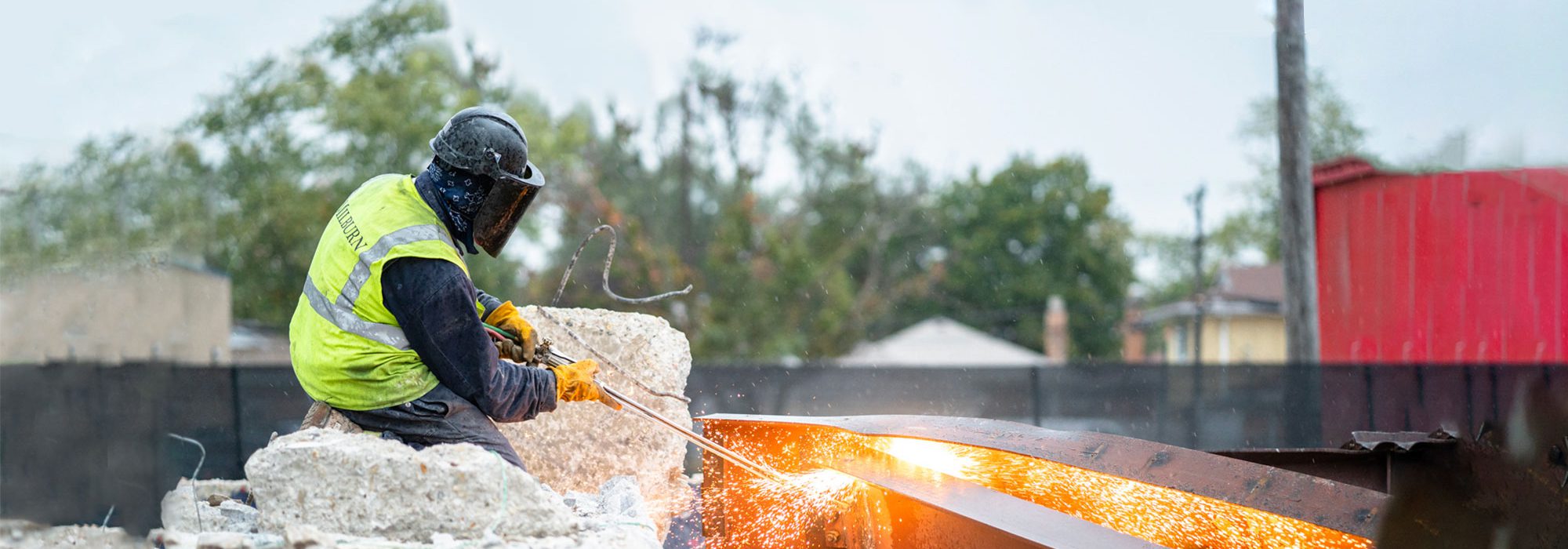
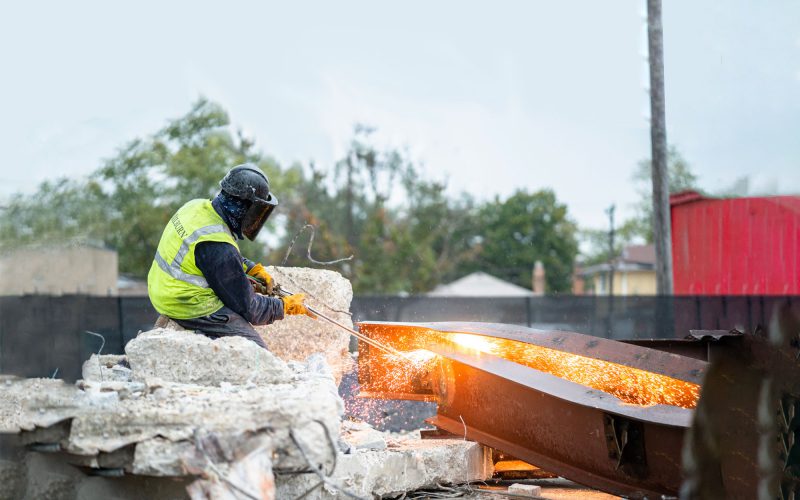
Demolition is physical work done outdoors, in direct sun, around heavy equipment, and often inside structures that hold heat. When summer arrives, that combination creates real risk, and managing it deliberately is part of running a safe job site.
On April 10, 2026, OSHA issued a revised National Emphasis Program on heat-related hazards, replacing its 2022 directive and setting a new five-year enforcement term. Construction is explicitly listed as a targeted industry. The revised program authorizes compliance officers to expand the scope of inspections on any day the heat index reaches 80 degrees Fahrenheit or higher, or when the National Weather Service issues a heat warning or advisory. They can show up unannounced and ask for documentation: your heat prevention protocols, your acclimatization records, your training logs, and evidence that water and rest provisions are happening in practice, not just written into a policy document.
We were already doing this work before the update. Here’s what it actually looks like on our sites.
Chicago and Tampa are not the same heat problem
We operate in both markets, and we don’t treat them as interchangeable.
In Tampa, high heat is the baseline for most of the working year. The defining variable is humidity. A 92-degree day at 85% relative humidity can push the heat index above 110 degrees. Crews in Tampa need to be fully acclimatized from the start of the season, and conditions need to be monitored throughout the day because the afternoon can be meaningfully worse than the morning.
In Chicago, the season is compressed. The risk isn’t sustained heat over months — it’s a fast-moving heat event in July, August or even into September that hits a crew that’s may have been working in mild conditions.
Our protocols cover both scenarios. The fundamentals are the same in each market. How we apply them varies based on the forecast and what our crews have been working in.
What our heat prevention program covers
OSHA’s revised program outlines what inspectors will look for: access to shade or climate-controlled areas, scheduled and unscheduled rest breaks in cool spaces, acclimatization protocols for new employees and those returning from extended time off, training on heat illness symptoms and emergency response, and supervisory monitoring to catch early warning signs.
The time to figure out where your crew is going to cool down is before the job starts, not when someone is showing early signs of heat exhaustion.
Before a project begins, we identify where shade and cooling areas will be set up and how far crews will have to walk to reach them. Water is positioned within safe and reasonable access.
Acclimatization is the part that gets skipped on many job sites, and it’s one of the most important. New crew members and workers returning from extended time off need to be brought into high-heat conditions gradually. The body adapts to sustained heat load over days, not hours. Putting someone into full-intensity work in peak heat on their first day back is a fast path to a heat-related incident.
Monitoring conditions throughout the day
We don’t just check conditions at the start of the shift and call it done. In Tampa especially, afternoon humidity spikes can push conditions into a more dangerous range even when the morning felt manageable. Our supervisors monitor throughout the day and adjust accordingly.
Supervisors are trained to recognize early signs of heat-related illness: heavy sweating, dizziness, weakness, nausea, headache, and confusion. Caught early, those symptoms are manageable. Missed, they can escalate quickly. OSHA data shows approximately 50 heat-related fatalities occur in workplaces each year, with nearly 3,500 employee days lost annually to heat-related illness and injury. Those numbers are why the NEP exists, and they’re why this matters regardless of what the regulatory environment looks like.
Documentation
The revised OSHA program specifically instructs inspectors to look for written evidence that heat controls are being followed in the field, not just described on paper. That means temperature and heat index monitoring records, training documentation, and acclimatization records for new hires and returning workers.
We keep that documentation. If OSHA walks onto one of our sites in Chicago or Tampa, we can show them what our heat prevention program looks like in practice. That’s also useful for the general contractors we work with. On large projects with multiple subcontractors, having a subcontractor whose safety documentation is in order removes one category of risk from the GC’s side of the ledger.
Talk to us
If you have questions about how MILBURN handles safety on our projects, or you’re evaluating a demolition contractor and want to know how they approach it, reach out through our contact page. It’s a fair question to ask before a project starts, and we’re glad to answer it.
— James
Sources: OSHA Revised NEP on Heat-Related Hazards (April 10, 2026), National Law Review, BD Law, Haynes Boone, OSHA / BLS heat illness and injury data
Back to all Blogs & News


